
American Society for Psychical Research
The ASPR is the oldest psychical research organization in the United States.
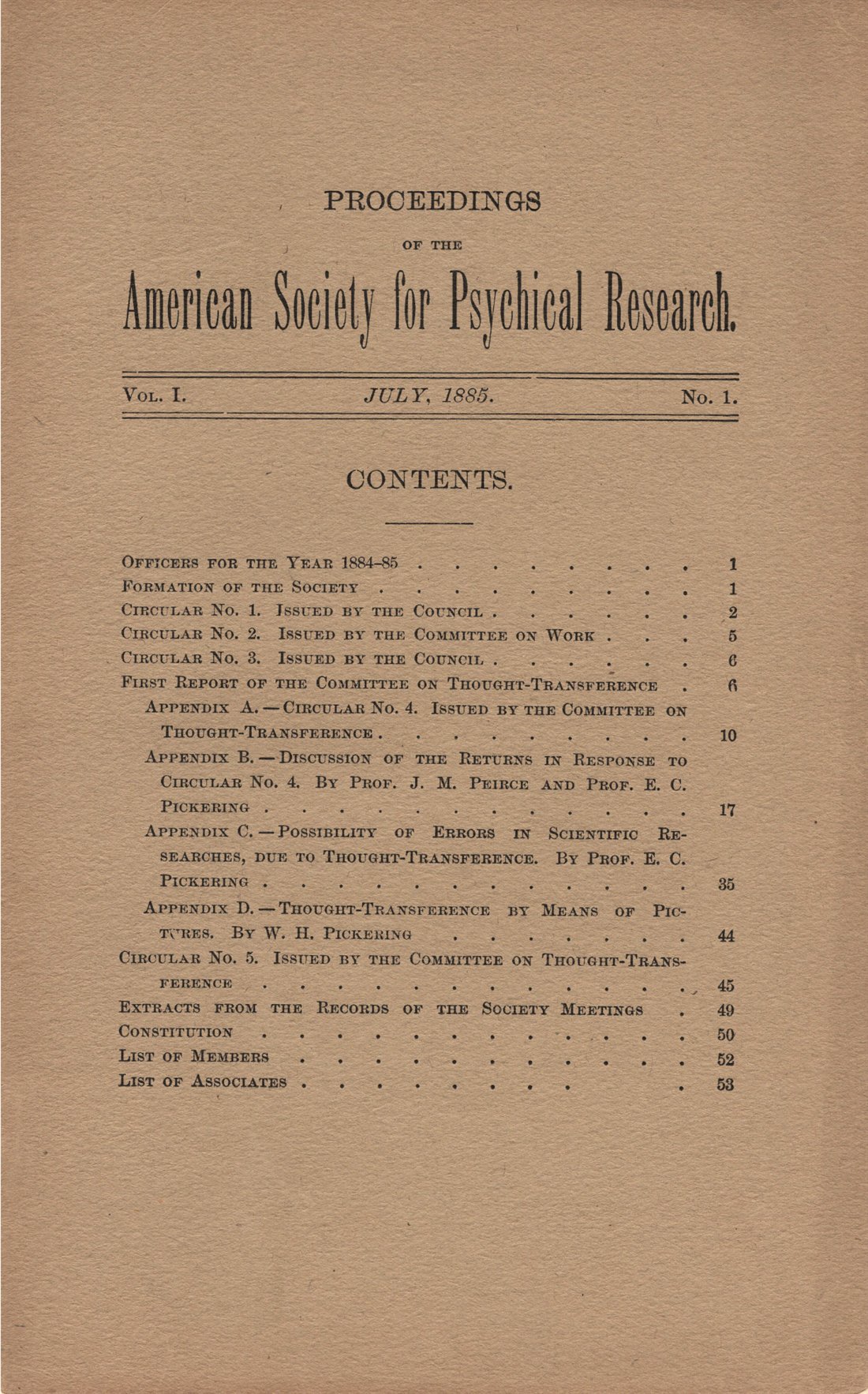
The Society was founded in 1885 to explore as yet unexplained phenomena that have been
called psychic or paranormal and their implications for our understanding of consciousness,
the universe, and the nature of existence.
The ASPR has investigated extraordinary experiences and states of consciousness involving
creativity, hypnosis, dreams, telepathy, clairvoyance, precognition, psychokinesis, healing,
and the question of survival of consciousness after death.
Psychical research at the frontiers of science.
Psychical research offers a window into the most profoundly important and far-reaching questions at the frontiers of science. It represents the cutting edge of research into the mysteries of human nature, where physics, psychiatry, psychology, biology, medicine, psychoneuroimmunology, religion, and philosophy meet.
Research
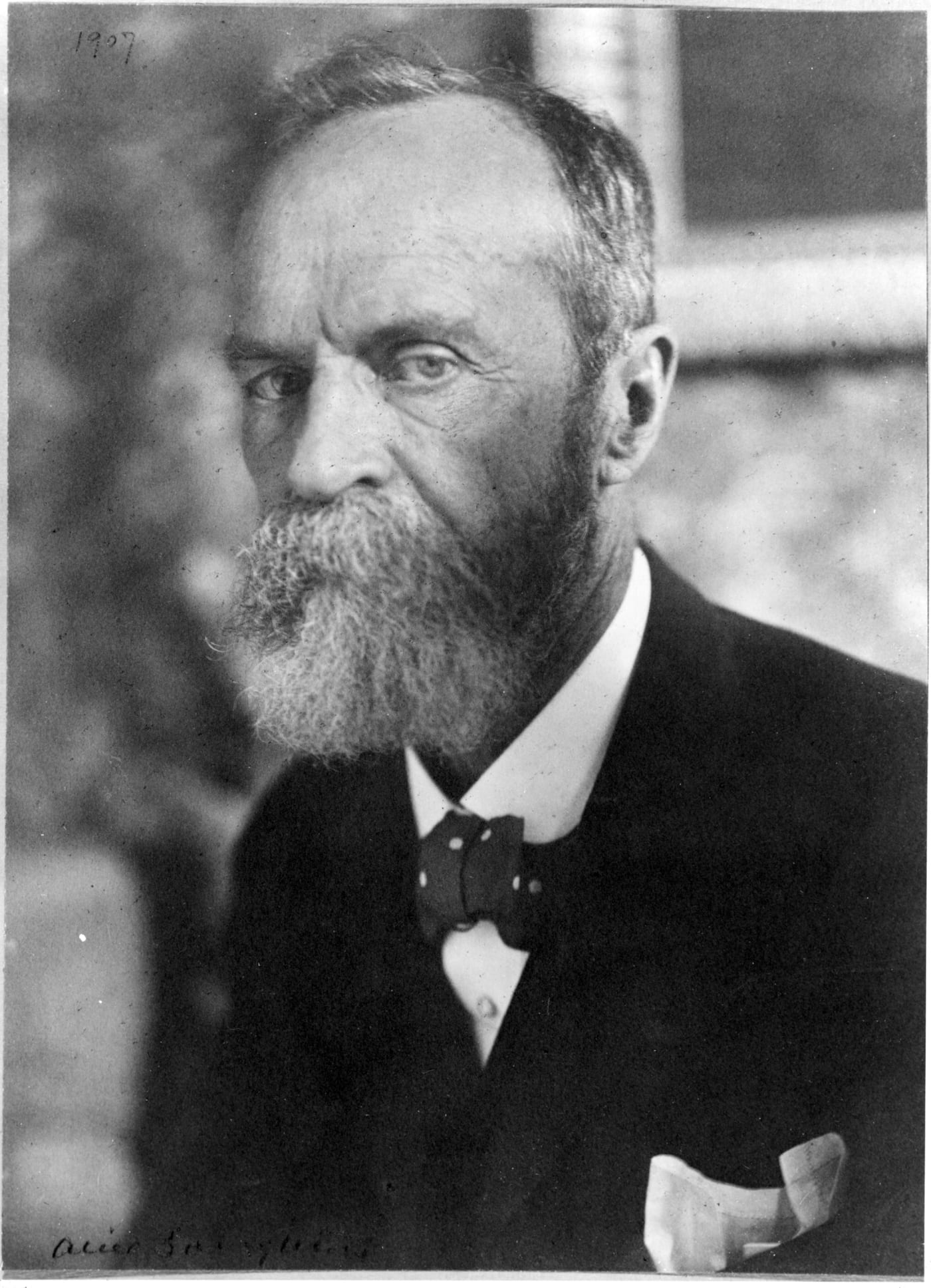
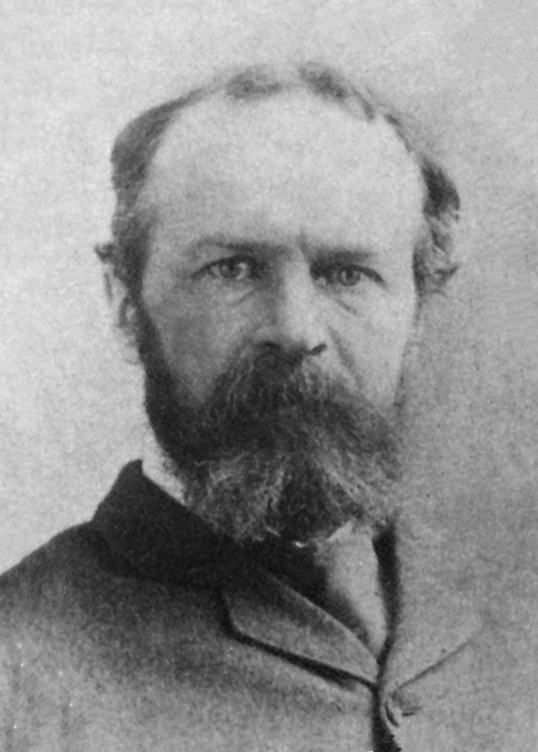
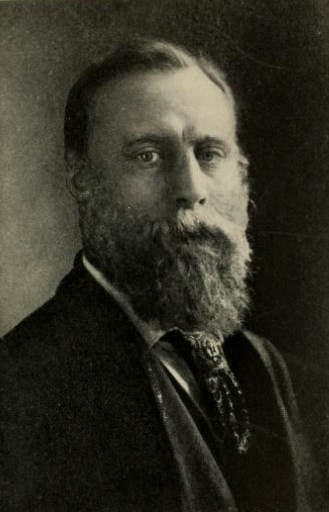
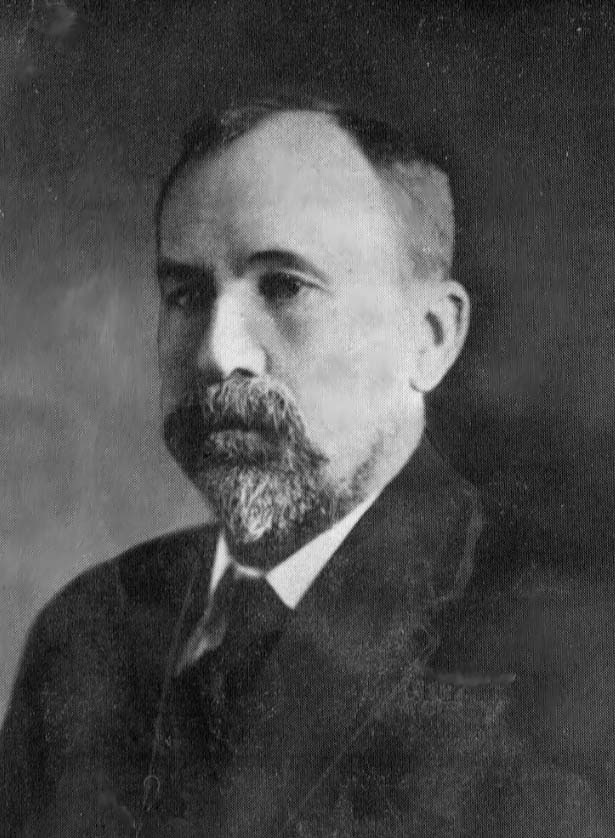
The ASPR was founded in 1885 by distinguished scholars and scientists with the courage to explore the uncharted realms of human consciousness, among them renowned Harvard psychologist and Professor of Philosophy William James. Many of the early members were pioneers in psychology, psychiatry, physics, and astronomy. The first President of the ASPR was Simon Newcomb, a well-known astronomer. Freud and Jung were honorary members.
© 2026 American Society for Psychical Research, Inc. New York, NY USA. All rights reserved. aspr.com
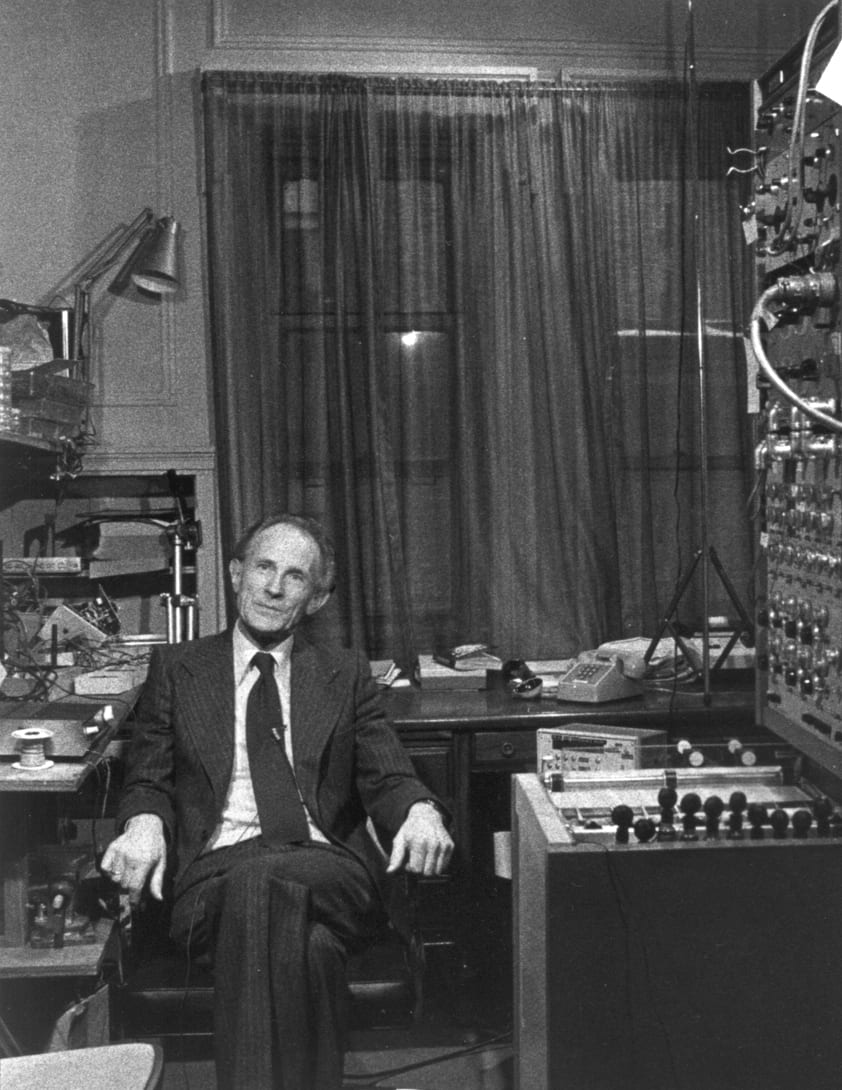
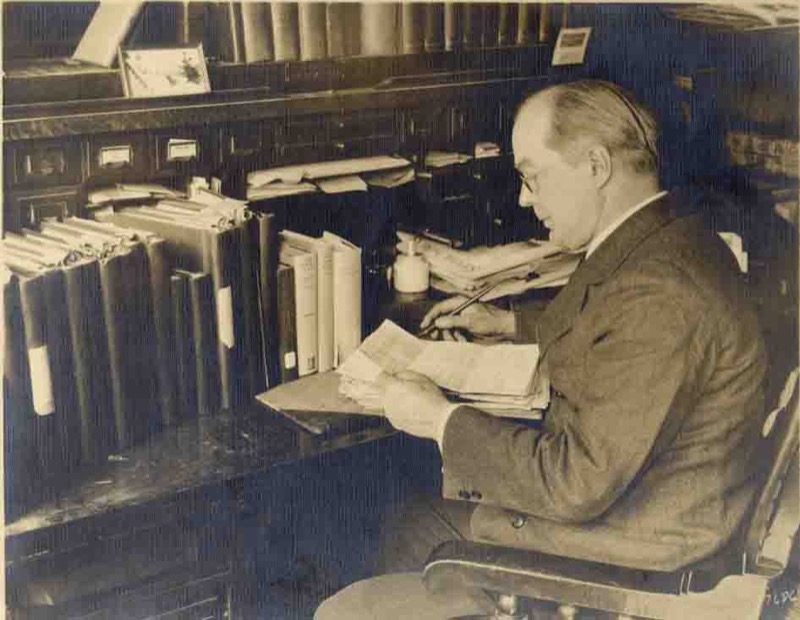
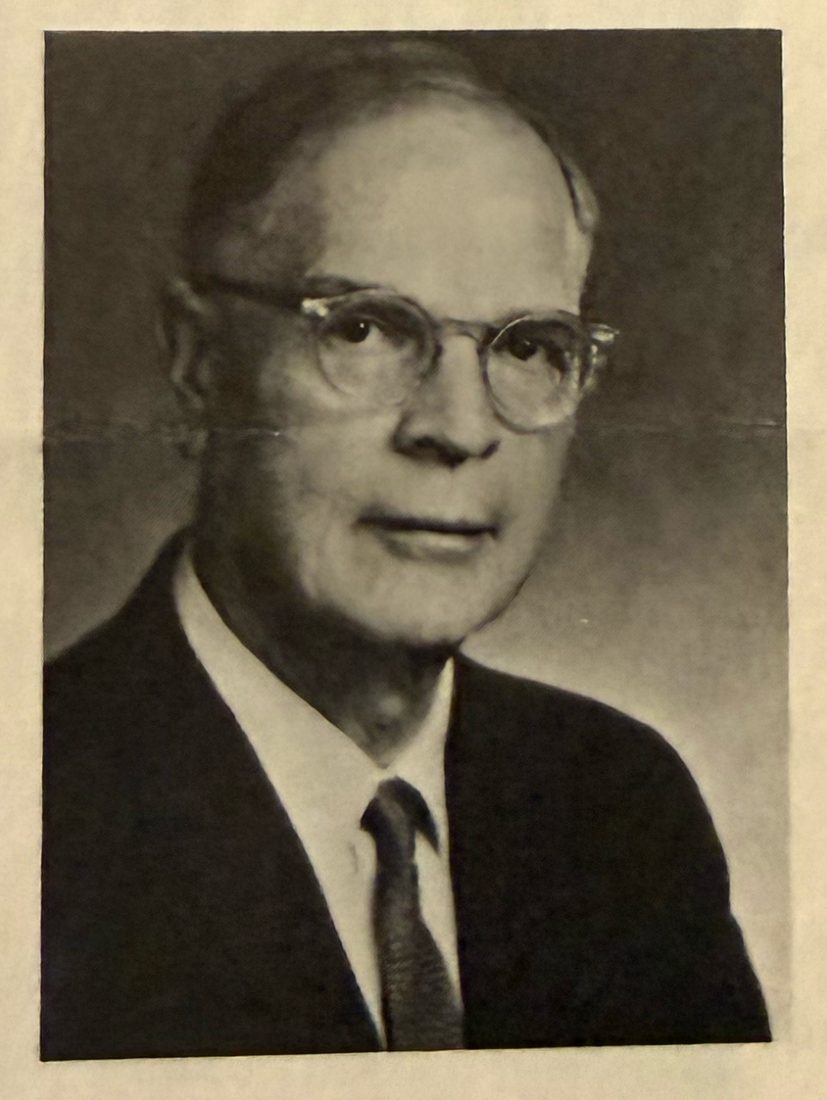
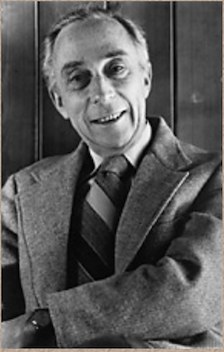
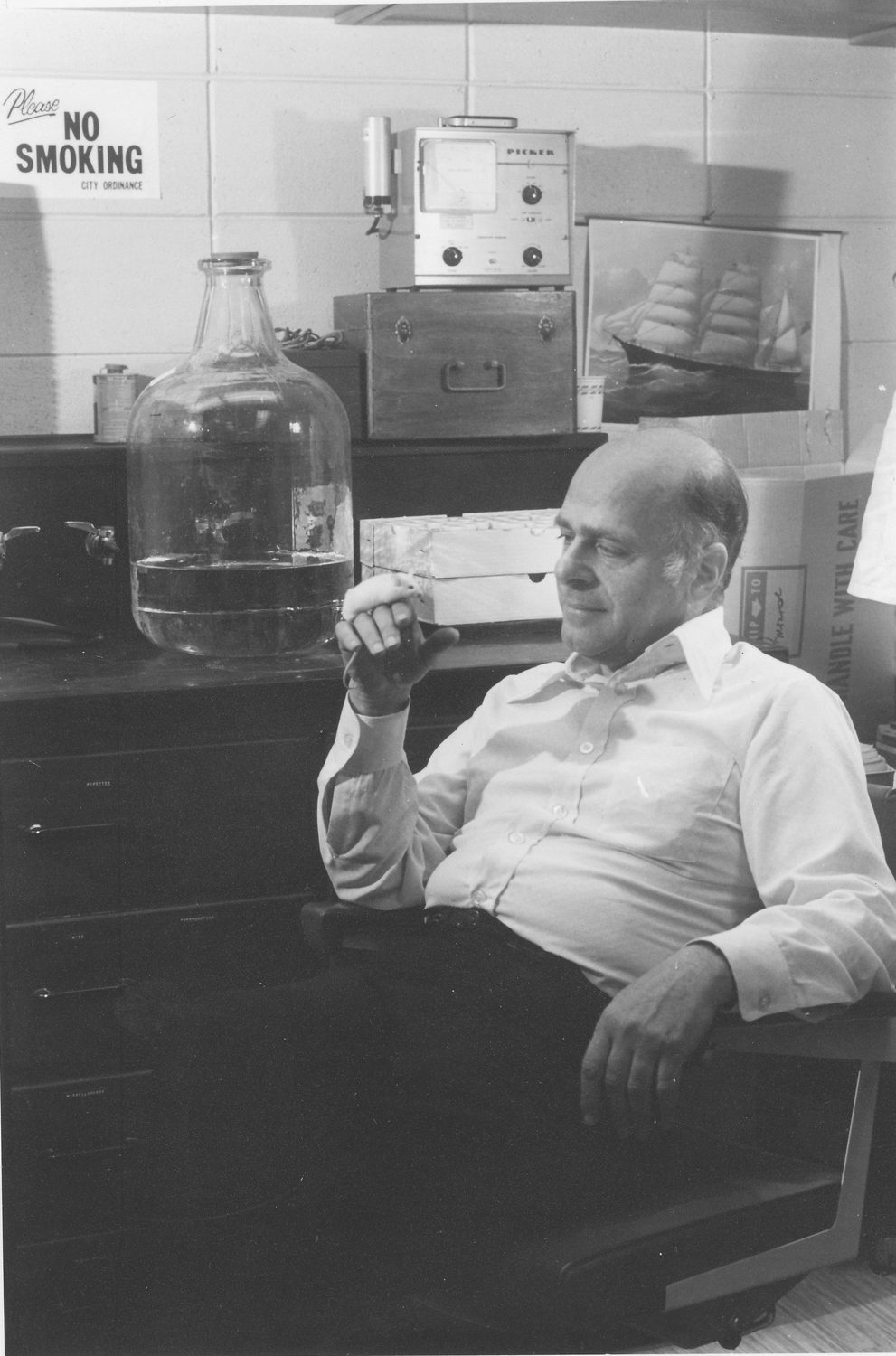
Throughout its history, luminaries from a wide range of disciplines have been drawn to the Society, including Chester Carlson, the inventor of Xerox; psychologist Gardner Murphy PhD; dream researcher Montague Ullman M.D. and biologist and healing researcher Bernard Grad PhD.
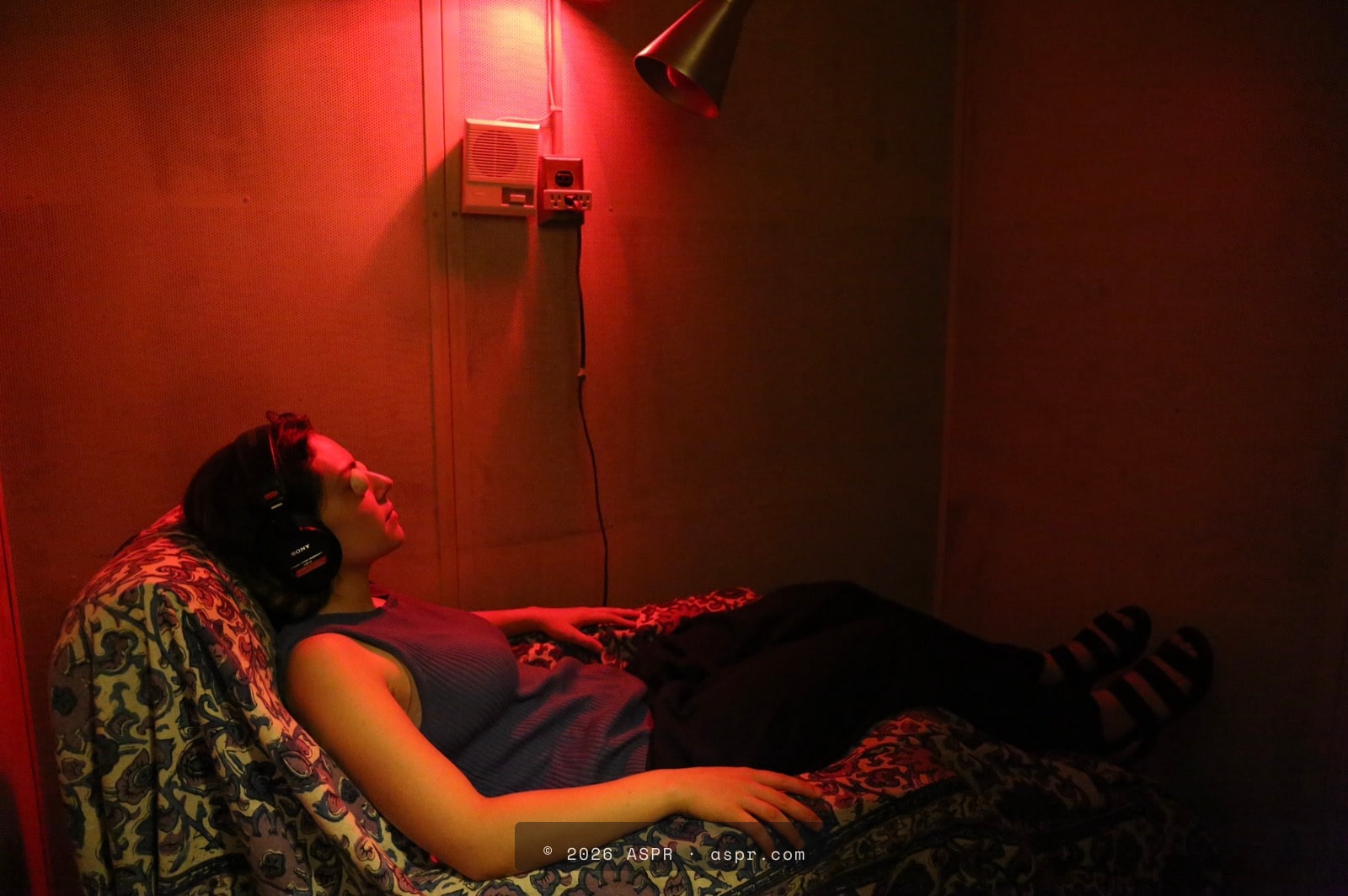
ASPR research has included studies of perception at a distance, out-of-body experiences, fly-in experiments, and deathbed observations. Spontaneous cases are collected as important research tools that can suggest research questions to ask and as data to test hypotheses. The ASPR conducts experimental studies of telepathy and precognition including the Ganzfeld, a free-response method conducted in the Society’s laboratory.
See the researchLearn more about the Society.
Founded in 1885, the American Society for Psychical Research is a scholarly institution that has conducted, promoted, and shared research on psychic phenomena for more than a century.
“I have no doubt whatever that most people live, intellectually or morally, in a very restricted circle of their potential being. They make use of a very small portion of their possible consciousness … We all have reservoirs of life to draw upon, of which we do not dream.”
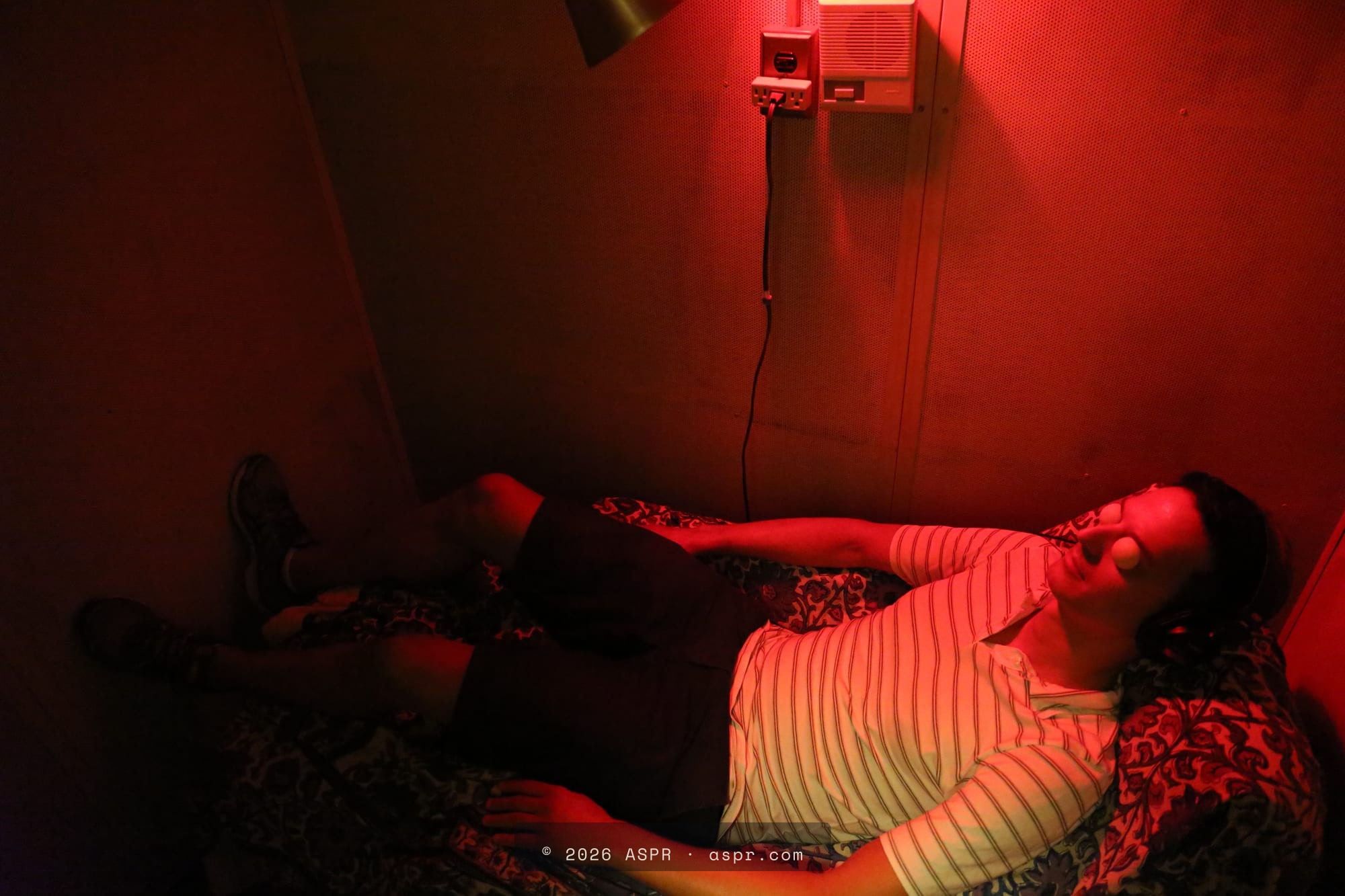
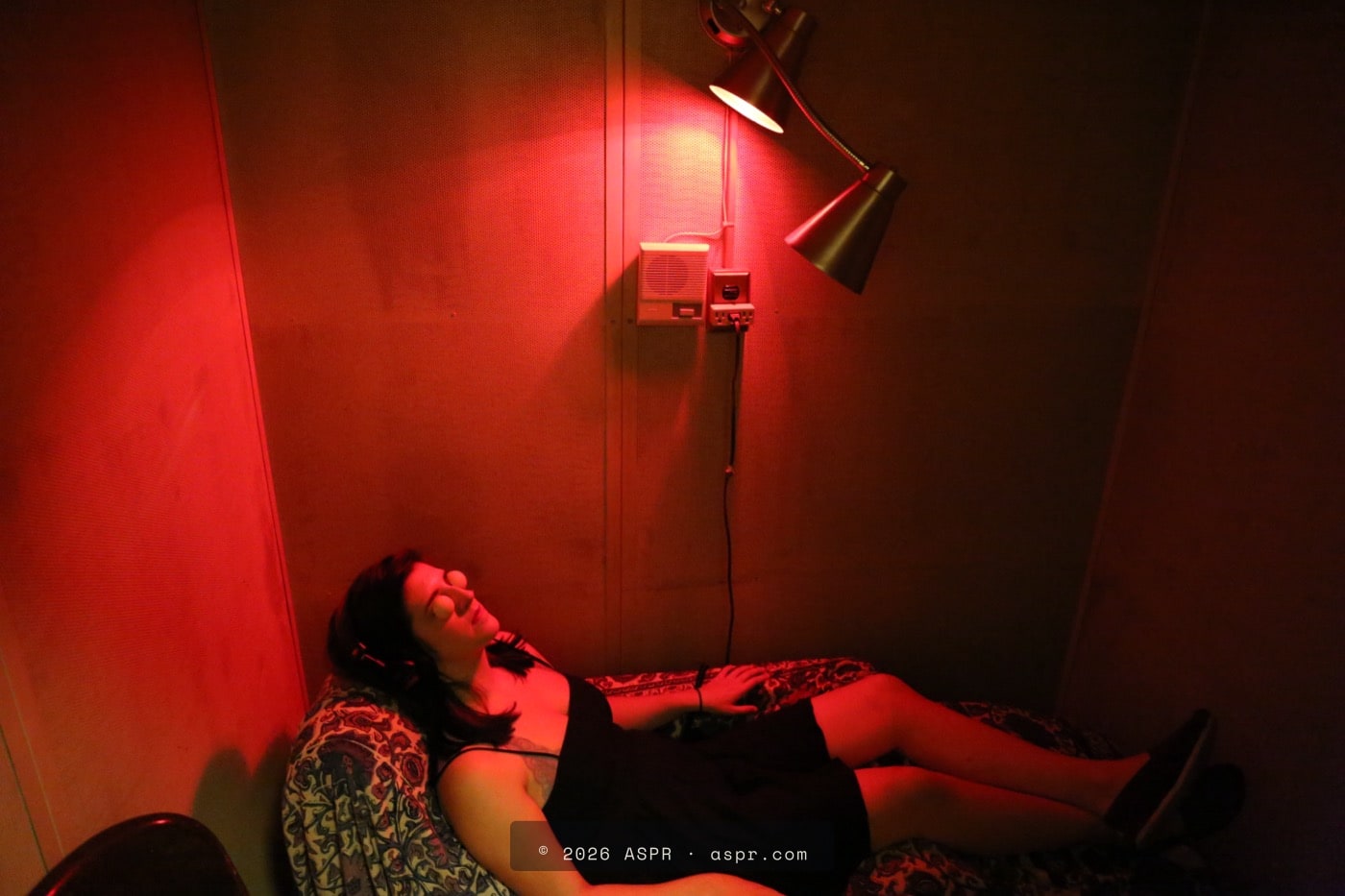
The Ganzfeld experiment.
In a Ganzfeld session a “receiver” rests in uniform light and sound — a state of mild sensory homogeneity — while, at a distance, a “sender” concentrates on a randomly selected image. The receiver reports whatever impressions arise and afterward attempts to identify the target among several decoys.
Conducted under controlled conditions, the procedure tests whether information can pass between two minds with no recognized sensory channel — a central question of the Society’s laboratory work.
© 2026 American Society for Psychical Research, Inc. New York, NY USA. All rights reserved. aspr.com
Lectures from the Society.
Recorded talks from the American Society for Psychical Research, each with the full video and transcript — beginning with two drawn from the Society’s own research.


How is consciousness related to matter, energy, time, and space?
In what unexplained ways do we interact with the universe and with each other?
What is the nature of the “unconscious” and how is it related to consciousness?
Can consciousness access information at a distance or from the future?
Can one person’s consciousness directly affect the body of another?
What is the relationship between mind and body?
What is the reality of “psychic healing” or laying on of hands, or distance healing?
Does some aspect of consciousness survive the death of the physical body?
Contact the Society
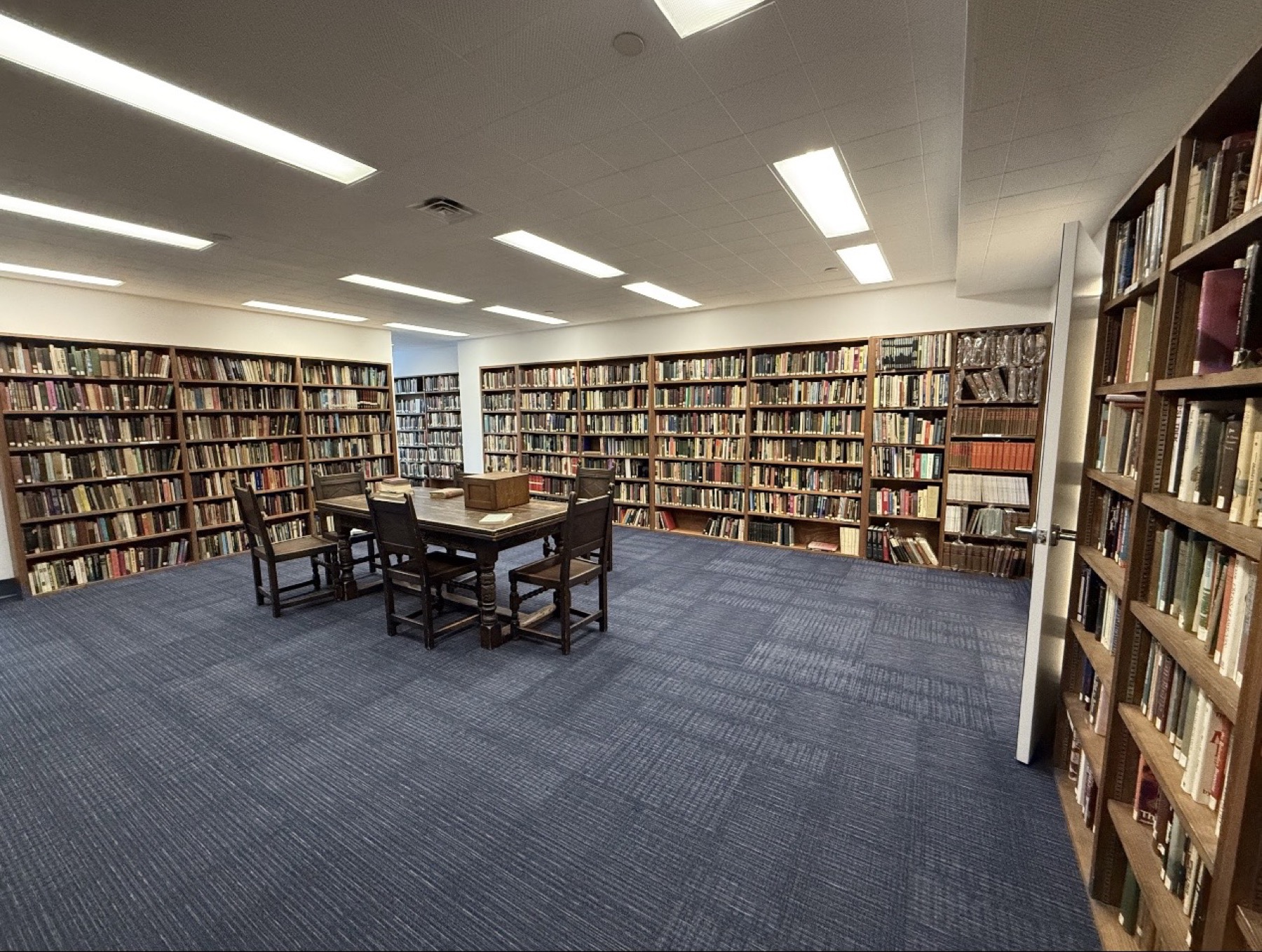
The American Society for Psychical Research welcomes visitors to the library, archives, laboratory, and offices by appointment. You’re welcome to call the ASPR to discuss your experiences.
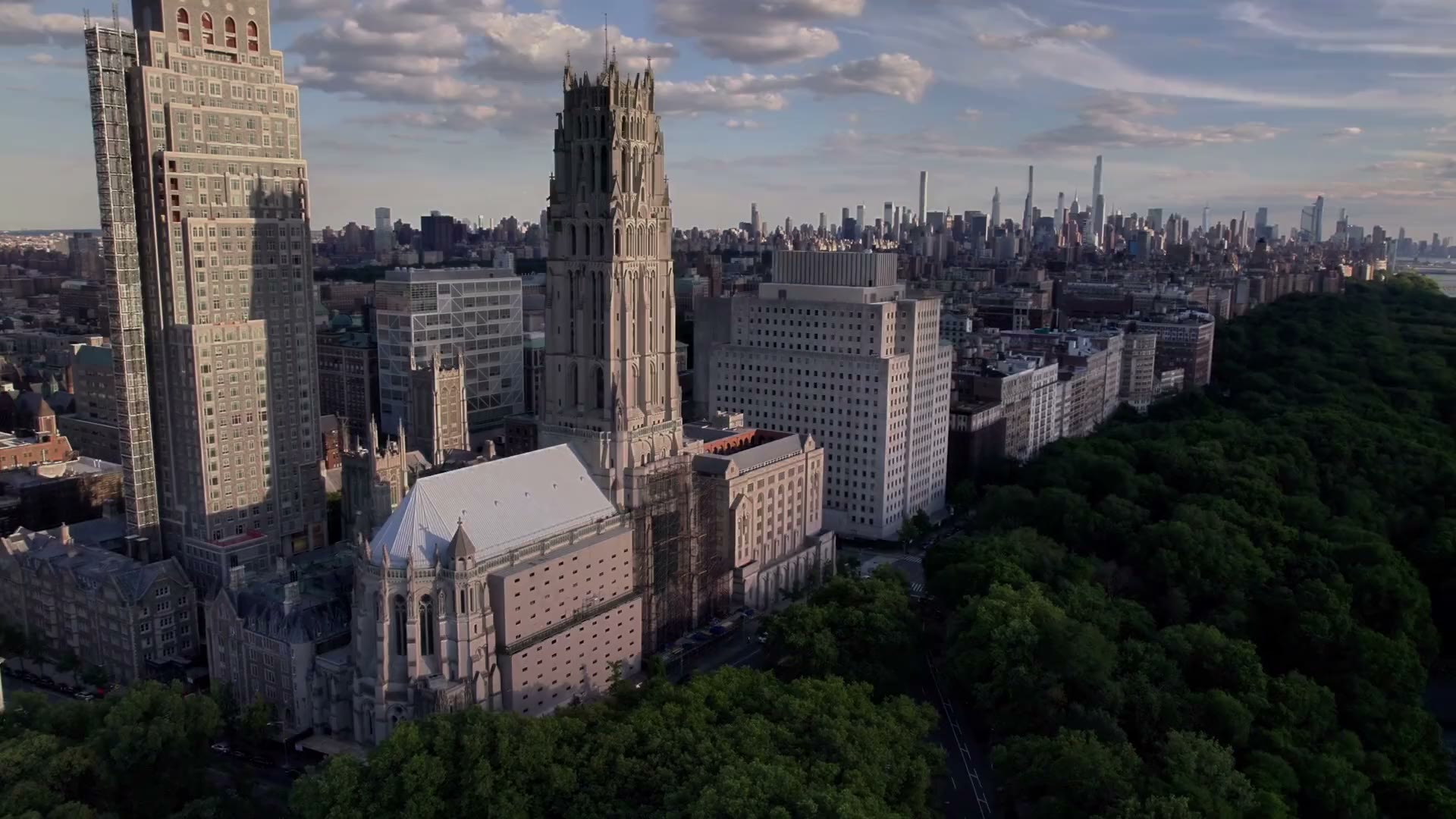
475 Riverside Drive · New York, NY 10115 · 212·799·5050